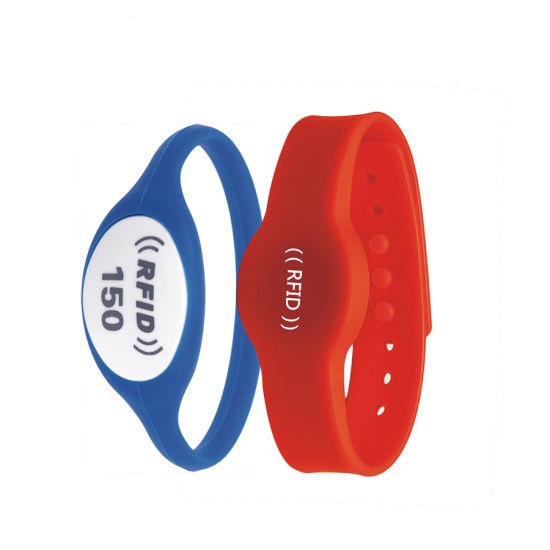
biometric wristbands
Learn about biometric wristbands, including design style, materials, benefits, uses, and how to choose the right wristband for your event or promotion.

Product Type
biometric wristbands
Design
Custom style
Best For
Events & promotions
Details
Read full guide below
biometric wristbands Overview
Advantages of Biometric Wristbands
-
1. Can be costly compared to traditional wristbands or low-end wearables.
2. Can present privacy concerns due to the storage of sensitive biometric data.
3. Rely on battery, meaning uninterrupted long-term use is limited.
4. Can have accuracy issues with sensors depending on conditions (sweat, movement, lighting).
5. Potential risk of a data breach or hacking if security protocols are not followed thoroughly.
Disadvanatages of Biometric wristbands
-
1. Sustainable - Being that they are made from renewable seaweed and algae, they are biodegradable and sustainable.
2. Low environmental impact. Seaweed grows quickly with no farmland, fresh water, or fertilizer.
3. Unique look. Naturally translucent or tinted, these bags provide a contemporary and unique style.
4. Lightweight. Flexible material makes it easy to wear for long periods of time.
5. Strong. Marine bags stand up to daily use while still being sustainable.
More About biometric wristbands
Why People Choose biometric wristbands
biometric wristbands can be useful for branding, events, promotions, awareness campaigns, customer engagement, and group identity.
Easy to Customize
Add names, logos, slogans, messages, colors, or design styles based on your purpose.
Useful for Events
Suitable for schools, companies, fundraisers, sports teams, concerts, festivals, and campaigns.
Good for Promotion
Helps your brand, message, or cause stay visible in a simple and affordable way.
Compare Wristband Companies
Read reviews, compare suppliers, and find companies offering biometric wristbands.