Child Tracking Wristbands
Learn about child tracking wristbands, including design style, materials, benefits, uses, and how to choose the right wristband for your event or promotion.
Product Type
Child Tracking Wristbands
Design
Custom style
Best For
Events & promotions
Details
Read full guide below
Child Tracking Wristbands Overview
Materials
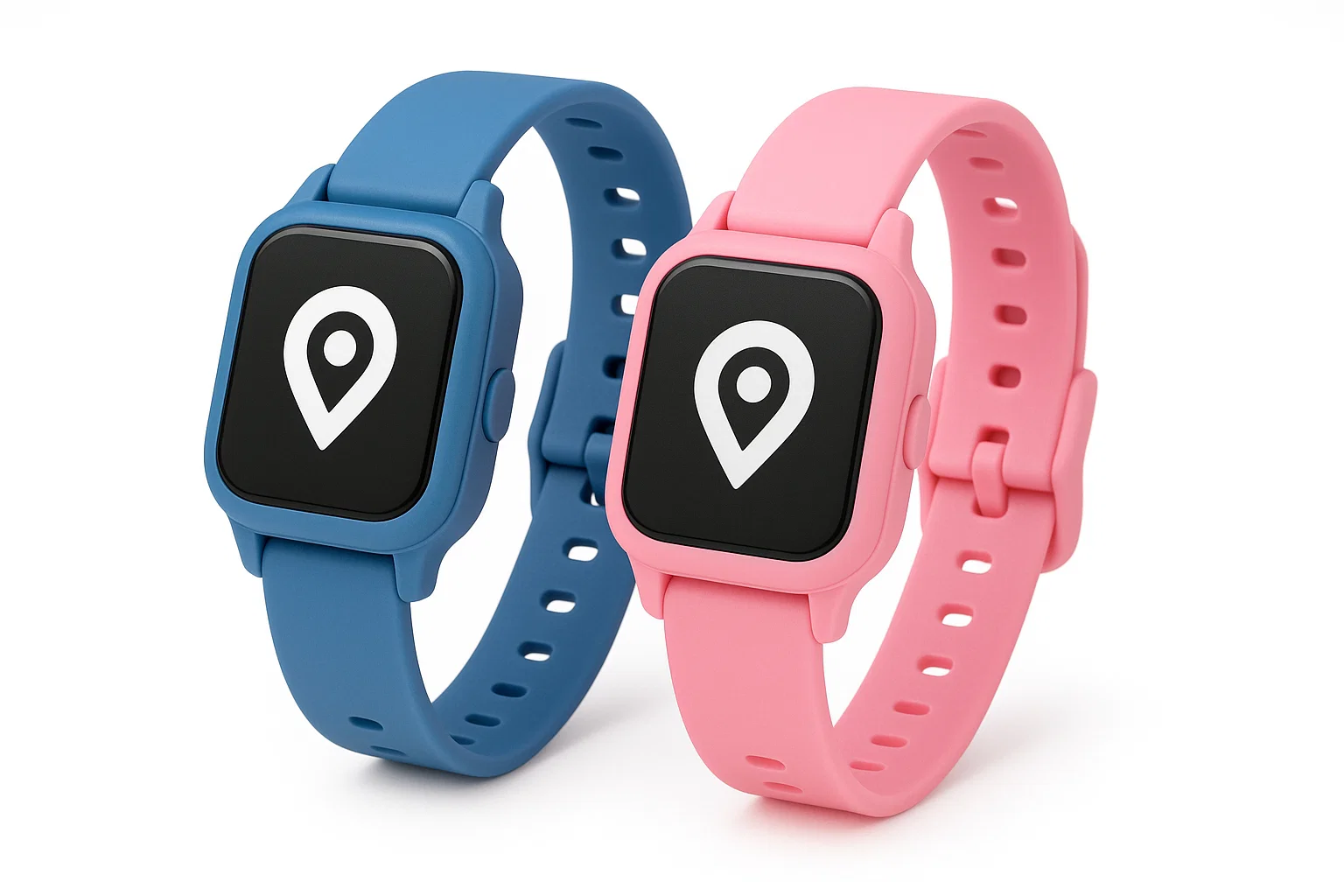
Wristbands designed for child tracking often use child-safe, durable, and comfortable materials. Popular materials for this type of wristband include silicone, which can be soft, flexible, skin friendly, and waterproof, making the perfect option for children who are active. TPU (Thermoplastic Polyurethane) is also a common material, as it is light-weight, sweat-resistant, and very durable against scratches. Some wristbands have plastic or polycarbonate casings that securely store the electronic parts while using fabric or nylon straps to provide for breathable straps, or adjustable comfort. Some brands also choose rubber or elastomer materials for their shock resistance against rough play. As you can see, the various materials create a product that is safe, durable, and comfortable for children to wear during the course of a full day and not experience irritation from the material.
Benefits
-
1. Enable parents to track their child's GPS location in real time for peace of mind.
2. Provide geofencing alerts so that a parent can be notified when their child leaves a safe zone.
3. Include SOS/emergency buttons for notifying being in distress quickly, and getting help.
4. Allow two-way communication in some models to connect directly to a child.
Promote safety outdoors, while crowds or in unfamiliar spaces - malls, parks, and schools.
More About Child Tracking Wristbands
Why People Choose Child Tracking Wristbands
Child Tracking Wristbands can be useful for branding, events, promotions, awareness campaigns, customer engagement, and group identity.
Easy to Customize
Add names, logos, slogans, messages, colors, or design styles based on your purpose.
Useful for Events
Suitable for schools, companies, fundraisers, sports teams, concerts, festivals, and campaigns.
Good for Promotion
Helps your brand, message, or cause stay visible in a simple and affordable way.
Compare Wristband Companies
Read reviews, compare suppliers, and find companies offering Child Tracking Wristbands.