tap-to-pay wristbands
Learn about tap-to-pay wristbands, including design style, materials, benefits, uses, and how to choose the right wristband for your event or promotion.

Product Type
tap-to-pay wristbands
Design
Custom style
Best For
Events & promotions
Details
Read full guide below
tap-to-pay wristbands Overview
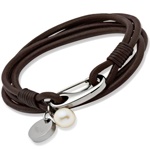
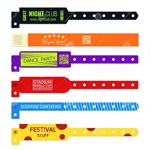
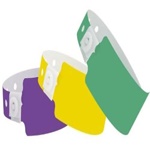
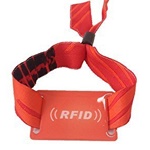
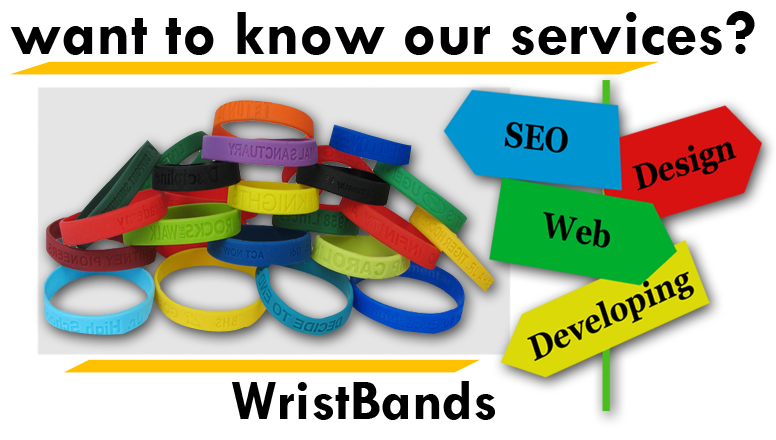
Typically made of silicone, fabric or another flexible material, tap-to-pay wristbands tend to be lightweight and durable while maintaining comfort for prolonged usage. It's even common to see tap-to-pay wristbands stylized with colors, branding, or logos of the event, making them practical promotional items. With some tap-to-pay wristbands, they integrate with capabilities like digital wallets, fitness trackers, or access control systems to provide multipurpose functionality.
In conclusion, tap-to-pay wristbands provide us with an efficient way to pay for out purchases, and can also be worn stylishly, potently functioning as wristwear. In many ways, tap-to-pay wristbands combine technology with security and style into one product.
Advantages of Tap-to-Pay Wristband
-
1. Convenience – You will no longer need to carry cash, cards or phones.
2.Speed – Fast transactions to eliminate waiting in queue at events or stores.
3.Durability – made from silicone, fabric or leather that held up for daily use and outdoor environments.
4.Multifunctional – can combine payments with access control, identification or even fitness tracking.
5.Customization – Come in different styles, colours and branding, making them practical for events and promotions.
Disadvantages of Tap-to-Pay Wristband
-
1. Restricted Acceptability: It only works at merchants or venues with NFC-enabled check out terminals.
2.Risk of Loss or Theft: If lost, someone else can attempt to use it before it is deactivated.
3.Dependence on Technology: Relies on NFC/RFID products that could malfunction due to technical issues or poor signal.
4.Rechargeable Batteries in Certain Models: More advanced models that use a smart token feature may need a battery charged or changed.
5.Privacy Issues: Certain users are concerned about data safety and tracking when a smart token is linked to a digital wallet.
More About tap-to-pay wristbands
Typically made of silicone, fabric or another flexible material, tap-to-pay wristbands tend to be lightweight and durable while maintaining comfort for prolonged usage. It's even common to see tap-to-pay wristbands stylized with colors, branding, or logos of the event, making them practical promotional items. With some tap-to-pay wristbands, they integrate with capabilities like digital wallets, fitness trackers, or access control systems to provide multipurpose functionality.
In conclusion, tap-to-pay wristbands provide us with an efficient way to pay for out purchases, and can also be worn stylishly, potently functioning as wristwear. In many ways, tap-to-pay wristbands combine technology with security and style into one product.
Why People Choose tap-to-pay wristbands
tap-to-pay wristbands can be useful for branding, events, promotions, awareness campaigns, customer engagement, and group identity.
Easy to Customize
Add names, logos, slogans, messages, colors, or design styles based on your purpose.
Useful for Events
Suitable for schools, companies, fundraisers, sports teams, concerts, festivals, and campaigns.
Good for Promotion
Helps your brand, message, or cause stay visible in a simple and affordable way.
Compare Wristband Companies
Read reviews, compare suppliers, and find companies offering tap-to-pay wristbands.